Harper Peters · 10 September 2026
Examining DNS Configuration Shifts During Hosting Provider Transitions and Their Effects on Crawler Efficiency
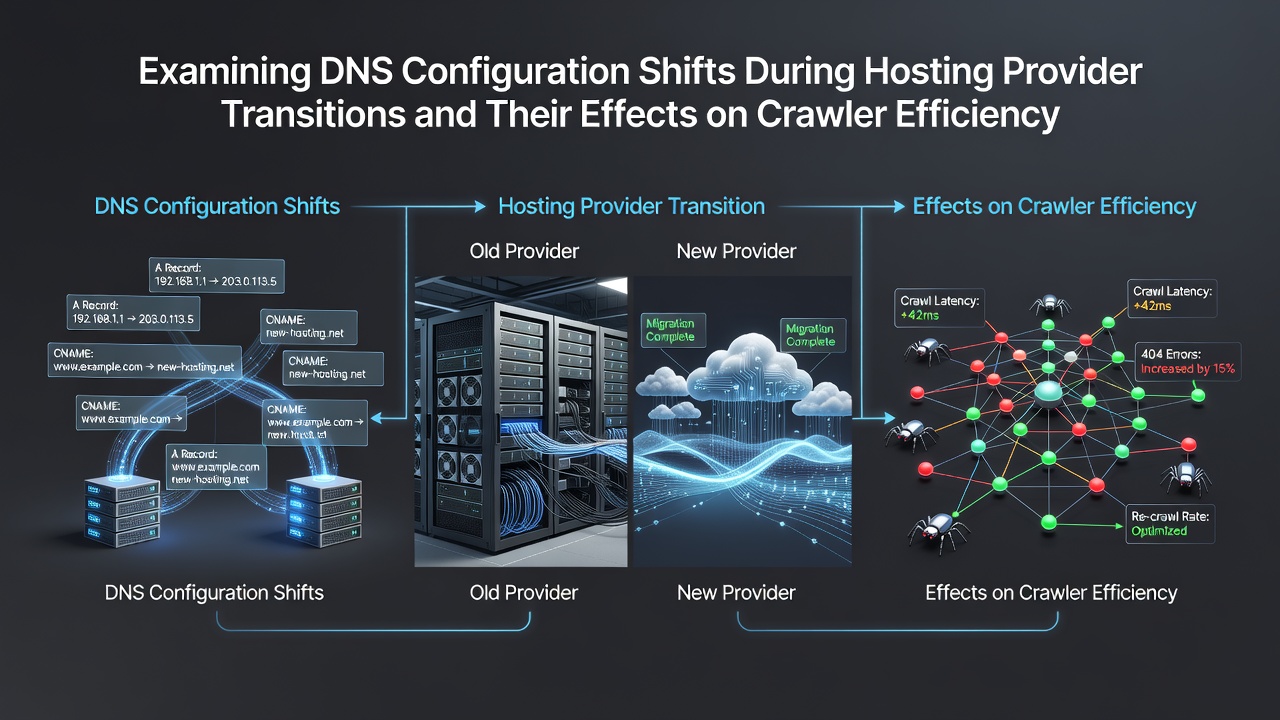
Hosting provider transitions require careful management of DNS records because these shifts directly influence how web crawlers locate and access site content. When organizations move from one provider to another, DNS changes such as updated A records, altered TTL values, and new CNAME entries create periods of uncertainty that affect crawler efficiency. Research indicates these adjustments often lead to temporary inconsistencies in how search engine bots discover and index pages, particularly when propagation delays extend beyond expected windows.
Core DNS Elements in Provider Transitions
Domain name system records form the foundation for directing traffic to teh correct server IP addresses, and any hosting move necessitates updates to these entries. Experts note that changes to A and AAAA records typically accompany migrations, while MX records for email and TXT entries for verification also require attention. Data shows that lowering TTL values before a transition allows faster propagation, although many administrators overlook this step until issues arise during the switch itself.
Propagation times vary based on global DNS resolver caches, and studies from network research groups reveal that some regions experience delays of several hours even after the authoritative server updates. Those who monitor these processes closely often track query responses from multiple locations to confirm when changes have taken effect worldwide. Observers note that incomplete propagation can result in crawlers reaching old servers while others hit new ones, creating fragmented indexing signals.
Impact on Crawler Access and Efficiency
Web crawlers rely on consistent DNS resolution to fetch pages without interruption, yet hosting transitions introduce variables that disrupt this process. When DNS records point to incorrect or outdated servers during the move, bots encounter connection errors or redirects that consume crawl budget. Figures from industry reports indicate that sites experiencing prolonged DNS inconsistencies see reduced crawl frequency in the days following a transition.
Crawler efficiency suffers further when new hosting environments have different security configurations or firewall rules that block bot traffic. Researchers have documented cases where updated DNS pointed to servers that required additional verification steps before allowing connections, which slowed down indexing of new content. And because crawlers operate on schedules tied to historical performance data, temporary access problems can lead to longer intervals between visits even after resolution stabilizes.
Monitoring and Verification Practices
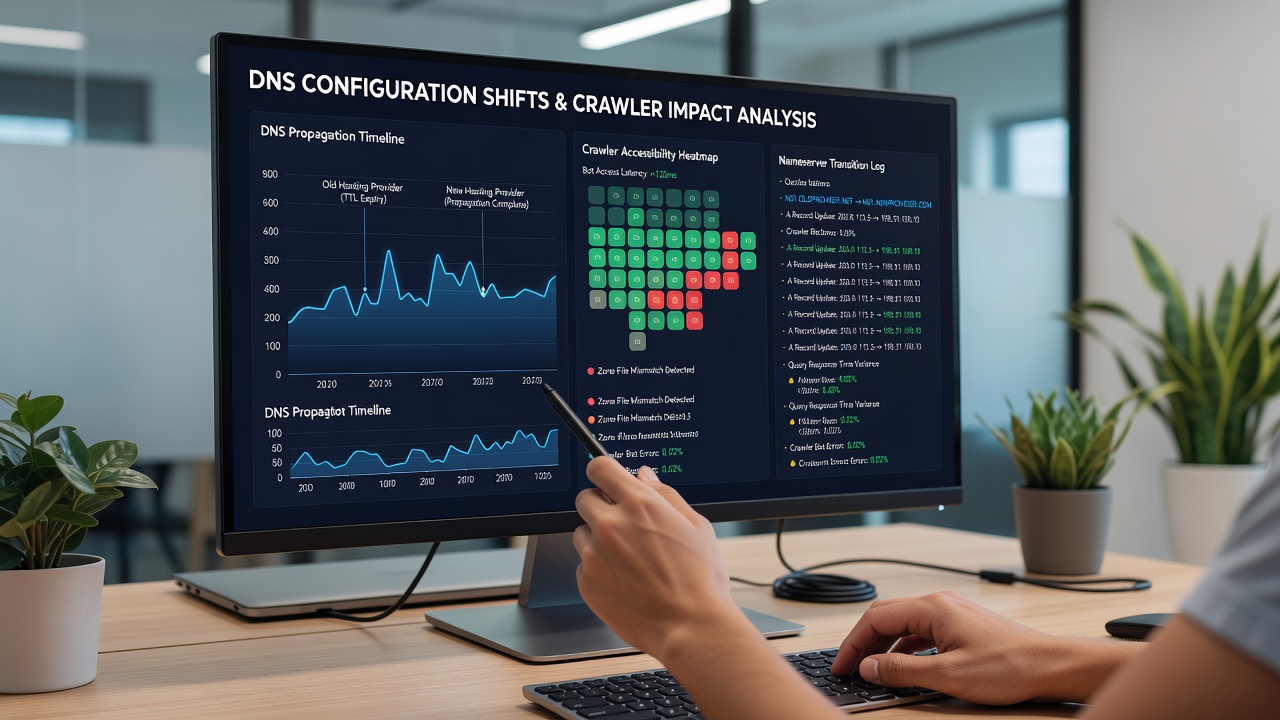
Organizations track DNS shifts through a combination of monitoring tools and direct queries to authoritative name servers. Those managing transitions often use services that simulate crawler behavior to verify accessibility from various geographic points. Evidence suggests that checking response codes and redirect chains during the migration helps identify issues before they compound into larger indexing problems.
One approach involves comparing pre-transition and post-transition crawl logs to measure changes in efficiency. Data from network analysis indicates that sites which implement staged DNS updates with overlapping records maintain steadier crawler access throughout the process. This method reduces the window where inconsistent resolutions occur and supports continuous indexing without significant gaps.
External Factors and Regional Variations
Global DNS resolution depends on networks operated by different providers across regions, which means transition effects do not appear uniformly. Reports from the Internet Corporation for Assigned Names and Numbers highlight how resolver caching policies in various countries influence how quickly updates propagate. Sites with international audiences frequently notice that crawlers in one region index new content faster than those in another due to these differences.
Additional influences include changes in CDN configurations that accompany hosting moves. When DNS updates coincide with CDN endpoint shifts, crawlers may encounter varying content delivery paths that affect page load metrics. Research from European network operators shows that coordinated adjustments to both DNS and CDN settings can minimize disruptions to automated discovery processes.
Conclusion
DNS configuration shifts during hosting provider transitions create measurable effects on how crawlers access and index sites. Proper management of records, monitoring of propagation, and attention to regional variations help maintain consistent crawler efficiency throughout the process. Organizations that address these elements in advance observe fewer interruptions in indexing patterns after completing their moves.