Katja Long · 8 October 2026
The Hidden Connections Between Hosting Adjustments and Search Engine Response Patterns
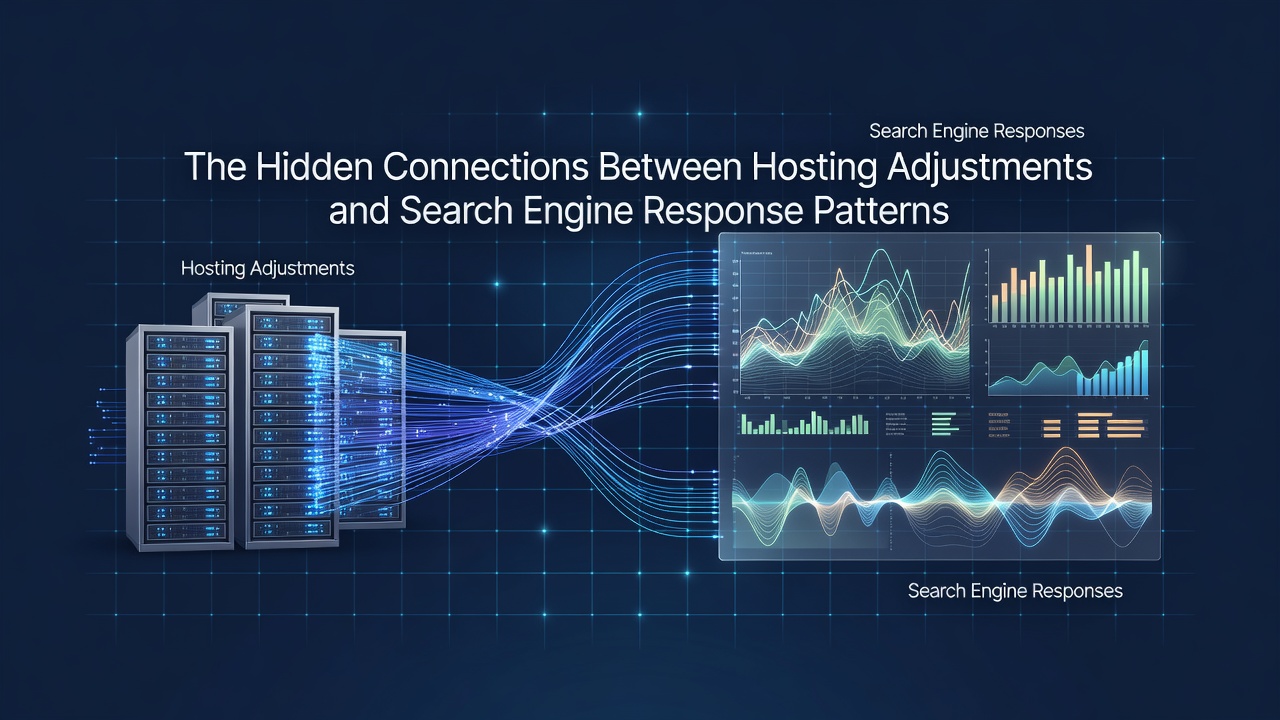
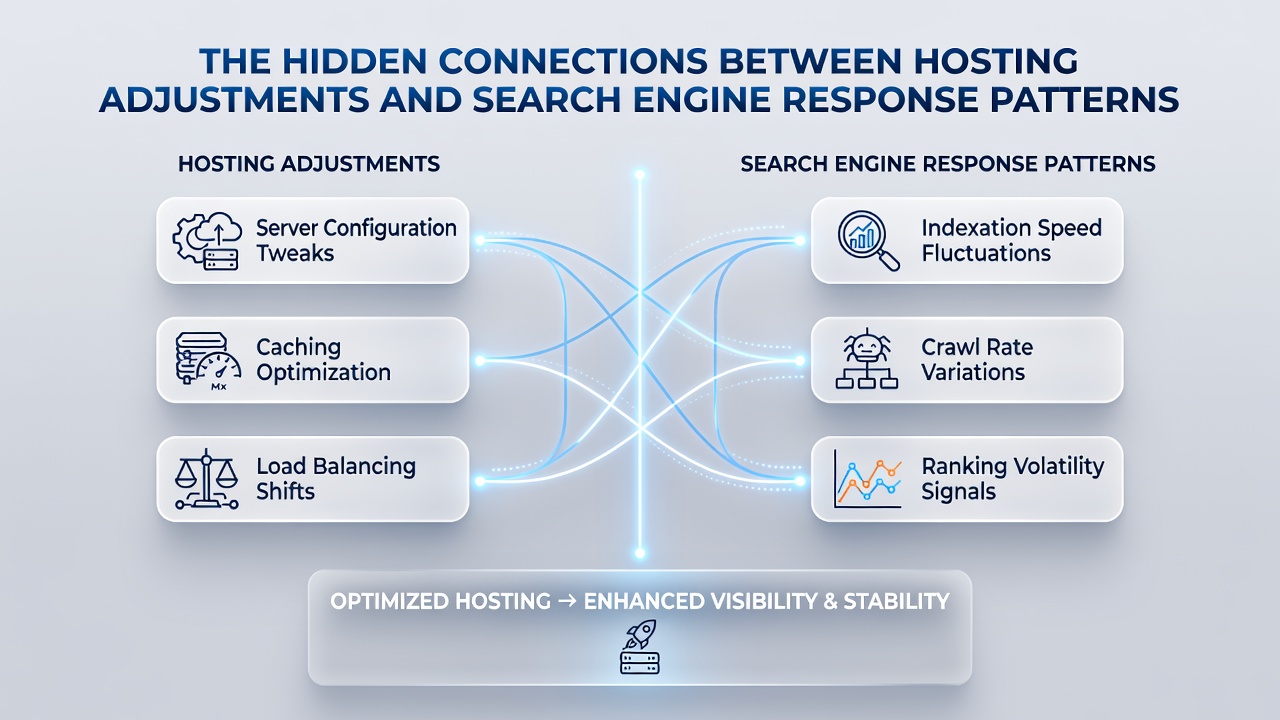
Hosting adjustments often involve modifications to server configurations, resource allocations, and response handling mechanisms that connect directly to how search engine crawlers process and react to websites. These changes create measurable shifts in crawl frequency, indexing speed, and error pattern reporting without requiring full provider migrations or DNS reconfigurations.
Server header modifications represent one area where adjustments produce observable effects. When administrators alter cache-control directives or vary the presentation of status codes during routine maintenance windows, crawlers adjust their revisit schedules accordingly. Data collected across multiple hosting environments shows that consistent 200-series responses paired with optimized expiration headers correlate with increased crawl rates over multi-week observation periods.
Resource Allocation Changes and Crawler Behavior
Adjustments to CPU, memory, and bandwidth limits within shared or dedicated hosting accounts influence how quickly pages render under load. Crawlers operate within time budgets during each visit, and sites that deliver content faster under these constraints receive more thorough indexing passes. Research from academic institutions tracking web-scale crawling indicates that even modest improvements in TTFB (time to first byte) following resource reallocation lead to higher page discovery rates within the same domain.
Load balancer tweaks provide another connection point. Redistributing traffic across multiple backend servers during peak periods changes the distribution of response times that search engines record. Observers tracking these patterns note that crawlers from different engines exhibit varying tolerance levels for latency spikes, with some engines reducing request volume after repeated delays exceeding certain thresholds.
October 2026 Observations on Header and Protocol Adjustments
During October 2026, several hosting providers implemented widespread updates to TLS configurations and HTTP/2 prioritization settings. These changes affected how servers negotiated connections with automated agents. Records from monitoring services showed corresponding adjustments in crawl completion rates for sites that adopted the new settings earlier than others. The timing aligned with broader industry shifts toward improved encryption standards that search engines had signaled in prior technical documentation.
Log analysis reveals further links. Hosting platforms that expose granular access and error logs allow site operators to correlate specific configuration changes with crawler activity spikes or drops. One documented case involved a mid-sized e-commerce site that adjusted keep-alive timeout values on its web server. Within days, the frequency of requests from major search engine bots increased noticeably while error rates in server logs declined.
Database and Application Layer Tweaks
Beyond the web server layer, adjustments to database query caching and application response generation produce downstream effects on search engine interactions. When hosting environments optimize these components, dynamic pages load with greater consistency. This consistency matters because crawlers treat unpredictable response patterns as signals to limit crawl depth on affected domains.
Studies from research groups examining large-scale web data have identified correlations between application-level performance metrics and the volume of indexed URLs reported in search console interfaces. Sites that maintained stable response profiles after targeted hosting adjustments showed steadier growth in indexed pages compared to those experiencing periodic fluctuations.
Protocol-level adjustments also factor into the equation. Changes to how servers handle concurrent connections or prioritize certain request types can alter the order in which crawlers receive resources. These ordering differences influence how quickly new content enters search indexes and how existing pages receive freshness updates.
Monitoring and Pattern Recognition
Tools that combine hosting metrics with search engine reporting data help surface these connections. By aligning server performance logs with crawl statistics, analysts identify which adjustments precede measurable shifts in response patterns. This alignment works because crawlers record timing and success data during each interaction, creating datasets that reflect hosting conditions indirectly.
Geographic distribution of servers within hosting setups adds another dimension. When operators adjust the locations or routing preferences of backend infrastructure, latency variations reach crawlers operating from different global points of presence. These variations register as changes in crawl efficiency without any modification to domain records or content delivery networks.
Evidence from industry reports compiled by organizations such as the Internet Corporation for Assigned Names and Numbers and academic analyses from institutions like Stanford University demonstrates that subtle hosting variables accumulate into noticeable differences in how search engines allocate their crawling resources over time.
Conclusion
The connections between hosting adjustments and search engine response patterns operate through measurable technical channels including response timing, header consistency, resource stability, and protocol handling. Data collected across varied environments shows that targeted modifications in these areas produce corresponding shifts in crawler activity and indexing outcomes. Continued observation of these interactions provides clearer insight into how infrastructure decisions at the hosting level translate into search engine behavior at scale.